Cambridge University Library and Codex Zacynthius
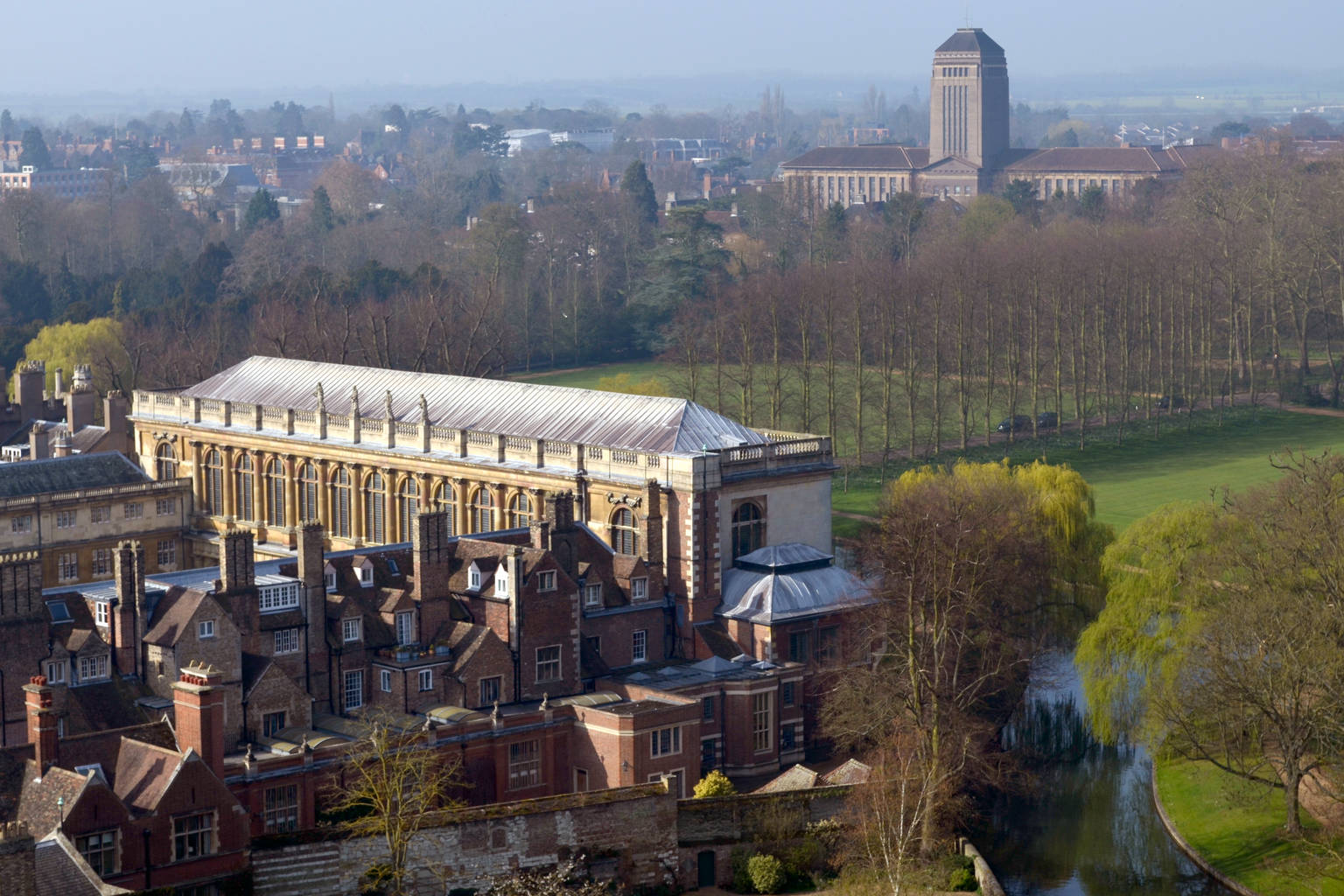
Picture from: https://en.wikipedia.org/wiki/Cambridge_University_Library#/media/File:Cmglee_Cambridge_Wren_Library_University_Library.jpg
Two manuscripts on the same parchment
Held by Cambridge University Library, Codex Zacynthius preserves an earlier manuscript beneath later writing. Its underlying text contains portions of the Gospel of Luke with a surrounding commentary assembled from early Christian writings. The parchment was subsequently erased and reused for a Greek lectionary, leaving much of the earlier text difficult to read.
MegaVision’s contribution
In July 2018, specialists from the Early Manuscripts Electronic Library (EMEL) captured multispectral images of the manuscript using a MegaVision E7 camera. The capture sequence produced fifty-one high-resolution images for each page under different imaging conditions, providing material for processing and scholarly examination. The imaging formed part of an Arts and Humanities Research Council-funded collaboration between the University of Birmingham and Cambridge University Library, led by David Parker and Hugh Houghton. MegaVision supplied the camera technology used in EMEL’s capture workflow; transcription and interpretation were undertaken by the research team.
From spectral images to a readable edition
The processed images enabled researchers to produce a full transcription and identify passages in the commentary. Many of these extracts preserve material not otherwise surviving in Greek outside this textual tradition, making the manuscript an important source for the study of early biblical interpretation. Released in September 2020, the digital edition brings together images, transcription, and translation through Cambridge Digital Library. Researchers and readers can examine the manuscript alongside the scholarly work, while a separate dataset provides access to the original spectral JPEG captures.